

Bali offers an incredible array of high-quality products to its vibrant traditional market. You'll find exceptional crafts and arts, amazing mineral resources, and bountiful agriculture from talented local artisans. These products don’t just speak for themselves, their quality shines brighter than any international brand title.
To elevate your shopping experience, we've handpicked the absolute best things you can discover for an unforgettable shopping experience!
Bali Shopping Guidance


Jewelry at Celuk Village

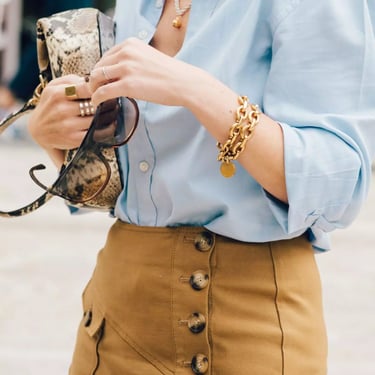



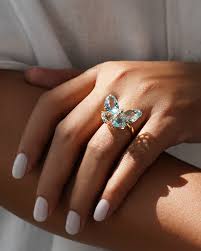
The village is incredibly renowned as Bali’s vibrant heart of goldsmiths and silversmiths. The talented local artisans in Celuk shine as extraordinary jewelry craftsmen, actively shaping the village’s celebrated reputation as a dazzling hub for traditional silver and gold artwork. Celuk Silver Village takes immense pride in being the only silver smith village in Indonesia
The craftsmen in Celuk are not just skilled, they are industrious artists. Their stunning products boast unique and elaborate designs that capture the eye and imagination. The jewelry in Celuk Village is crafted using time-honored techniques, often featuring intricate designs and captivating patterns. The amazing process of creating gold and silver jewelry in Celuk Village showcases traditional techniques that have been beautifully passed down through generations.
Fine Art Painting
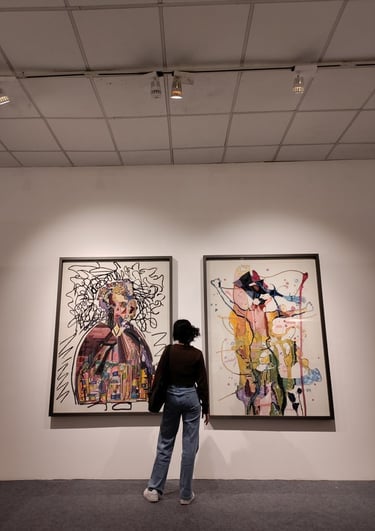
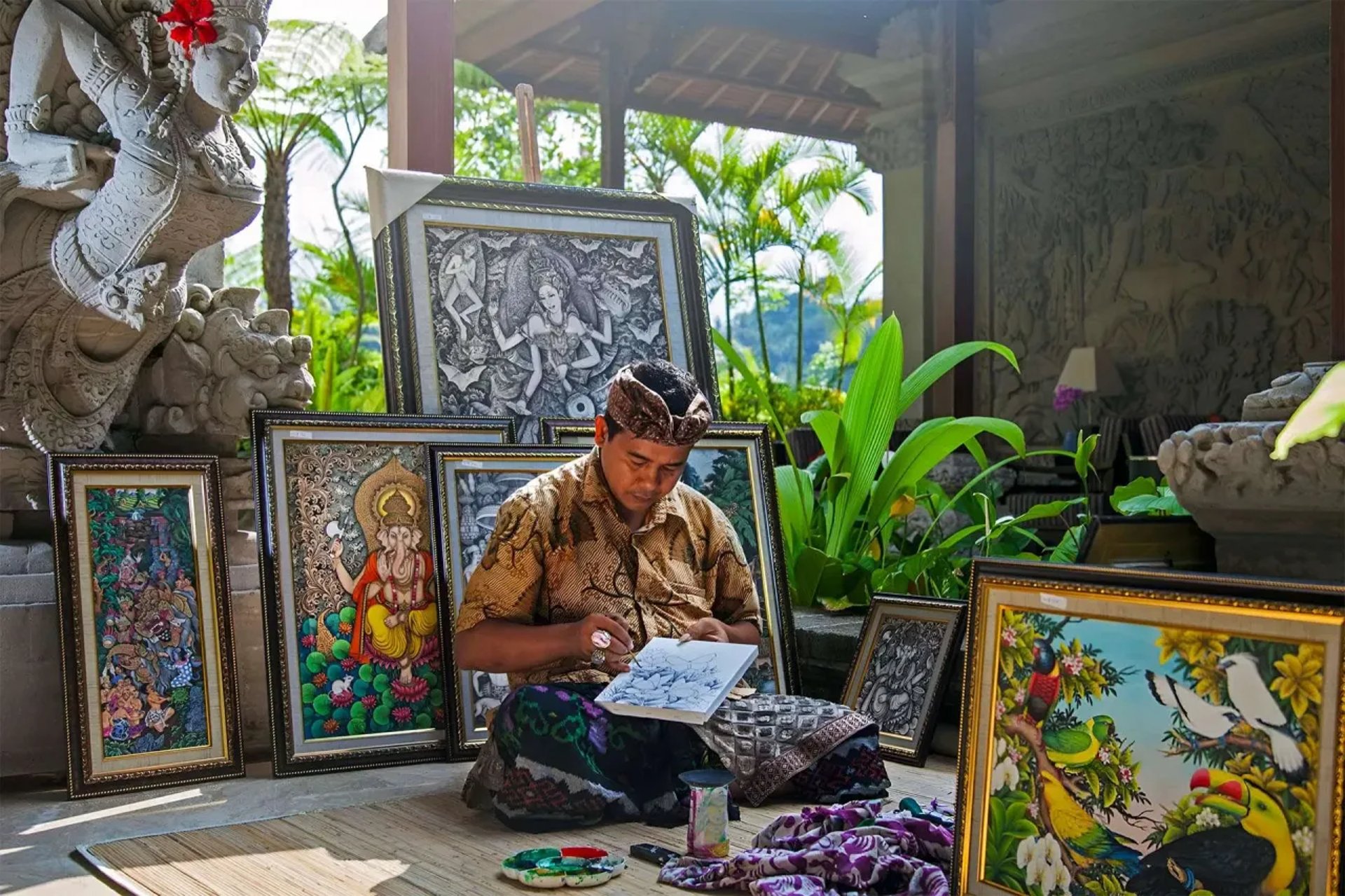
Bali is not only a paradise for beach lovers and spiritual seekers, it’s also a living gallery of traditional art. Among its many artistic treasures, Balinese painting holds a special place. Rich in symbolism, storytelling, and soul, traditional Balinese painting styles reflect the island’s unique blend of Hindu culture, local traditions, and natural beauty.
If you're a traveler from Australia, Europe, or America, and you're captivated by Balinese culture, understanding these traditional painting styles can deepen your connection with the island, and help you choose a piece of art that truly speaks to you.
Let’s explore the major styles of Balinese painting and the meanings behind them.
1. Kamasan Style: Ancient Epics on Canvas
Origin: Kamasan Village, Klungkung
Medium: Natural dyes on cloth or tree bark
Main Themes: Hindu epics like the Ramayana and Mahabharata
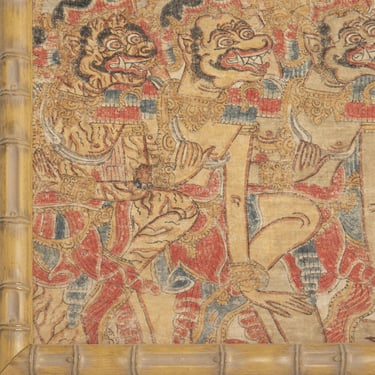
Kamasan painting is one of the oldest art forms in Bali. It draws heavily from Indian and Javanese storytelling traditions, often illustrating tales of gods, demons, kings, and heroes. Painted in a way that resembles ancient manuscripts, the figures are flat, symbolic, and often painted in earthy tones like red, brown, and gold.
Meaning:
This style represents cosmic balance and the eternal battle between good and evil. Every figure has spiritual meaning, and every scene is a moral lesson.
Perfect for: Art lovers who appreciate mythology and traditional storytelling.
2. Batuan Style: Spiritual Life in Dense Detail
Origin: Batuan Village, near Ubud
Medium: Ink or watercolor on canvas or paper
Main Themes: Rituals, folklore, underworld scenes, and village life
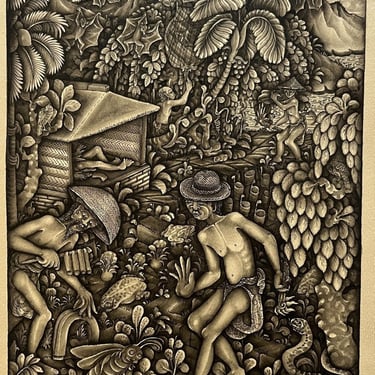
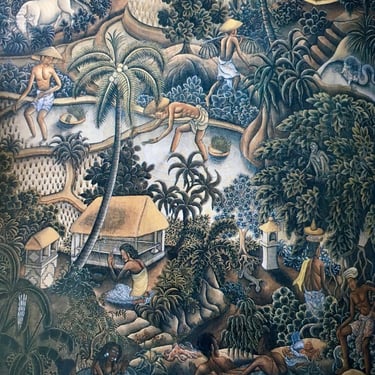
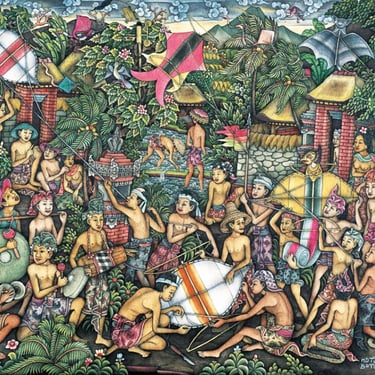
The Batuan style is known for its dark tones, crowded compositions, and mystical atmosphere. Every inch of the canvas is filled with detail, often showing religious ceremonies, temple rituals, and even supernatural events.
Meaning:
Batuan paintings reflect inner life and spiritual tension. It’s less about beauty and more about depth, revealing both the seen and unseen aspects of Balinese belief.
Perfect for: Those who love intricate art with a spiritual, thought-provoking edge.
3. Ubud Style: The Beauty of Daily Life
Origin: Ubud, Bali's art capital
Medium: Oil or acrylic on canvas
Main Themes: Farmers, dancers, rice fields, ceremonies
Emerging in the early 20th century, the Ubud style was influenced by foreign artists who collaborated with Balinese painters. Unlike older styles that focused on legends, Ubud paintings highlight the simplicity and beauty of everyday life in Bali.
Meaning:
These paintings celebrate community, harmony, and connection with nature. They often carry a peaceful, joyful energy.
Perfect for: Travelers who want a visual memory of their Balinese experience, something warm, personal, and real.
4. Young Artist Style: Bold, Bright, and Playful
Origin: Penestanan Village, Ubud (1950s)
Medium: Acrylic or watercolor
Main Themes: Animals, landscapes, playful scenes
Started by Balinese children under the guidance of Dutch artist Arie Smit, this style is cheerful, colorful, and free from traditional rules. It reflects a childlike sense of wonder and freedom.
Meaning:
The Young Artist style is about joy, imagination, and modern creativity. It’s art for the sake of joy, not ceremony.
Perfect for: People who love vibrant, contemporary art with a local soul.
5. Contemporary Balinese Art: Tradition Meets Modern World
Origin: Various parts of Bali
Medium: Mixed media
Main Themes: Social issues, environment, spiritual exploration
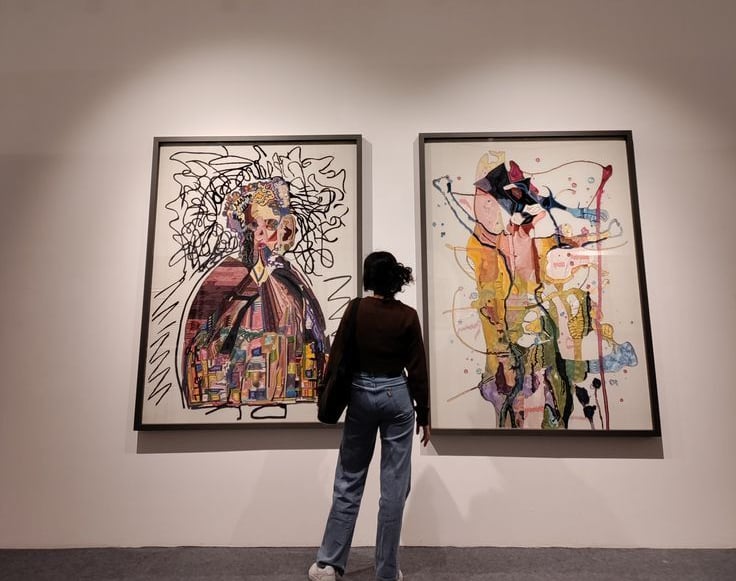
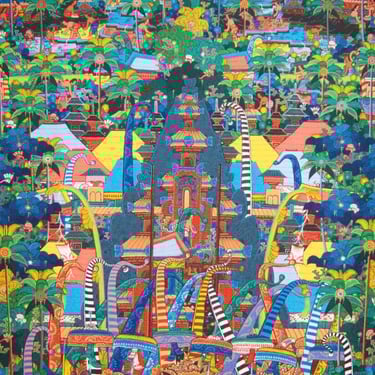
Today, many Balinese artists are blending traditional themes with global influences. You’ll find paintings that combine abstract techniques with sacred symbols or modern narratives.
Meaning:
These artworks reflect Bali's evolving identity, balancing tradition with innovation.
Perfect for: Art collectors and modern home decor lovers looking for something unique and meaningful.

Luwak Coffee

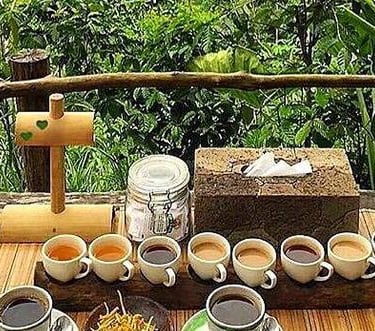

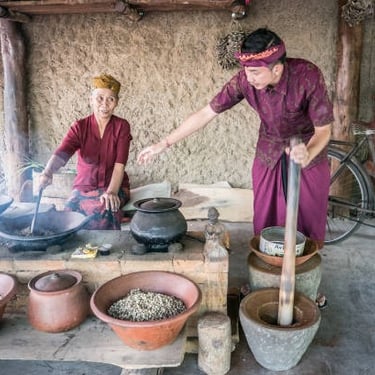
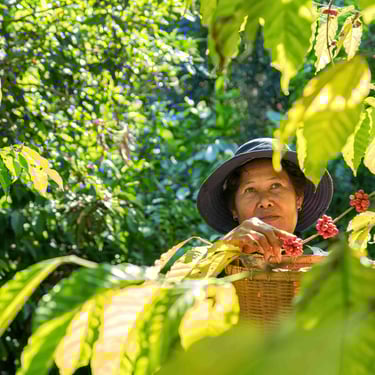
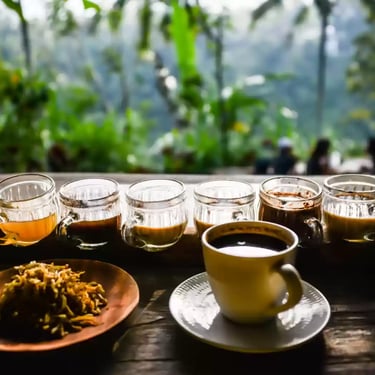
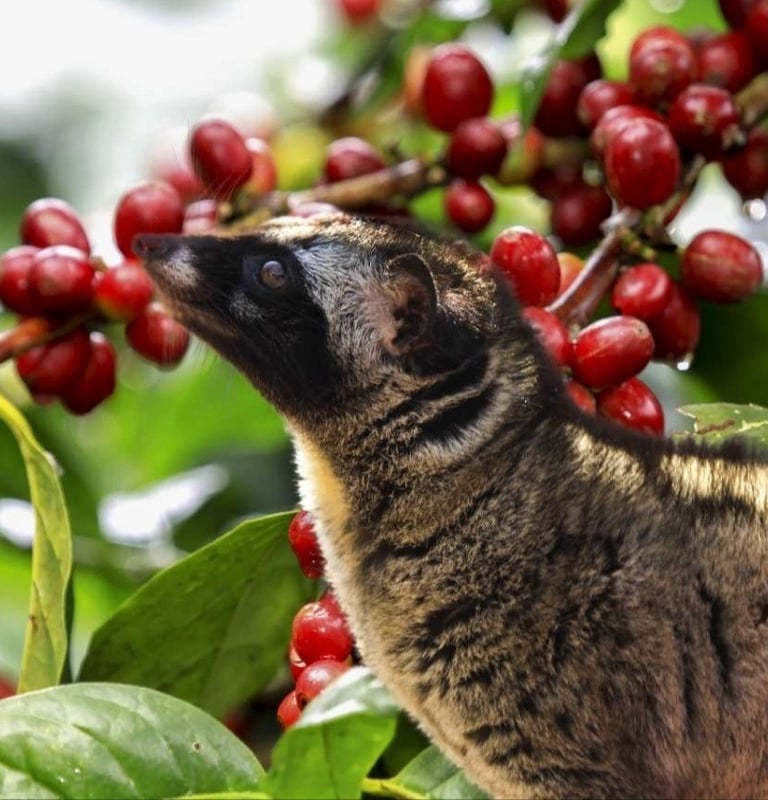
Also known as Civet Coffee, is a unique type of coffee made from beans that have been digested and excreted by civet cats. This process enhances the flavor, resulting in a smooth, aromatic, and luxurious coffee experience. The unique process of Luwak Coffee from Bean to Cup are done by traditional ways from hand picking of cherries, natural fermentation by civet. Followed by drying, roasting and grinding, you are pleased to have a short tour to watch and learn how to produce one of the best coffee in the world
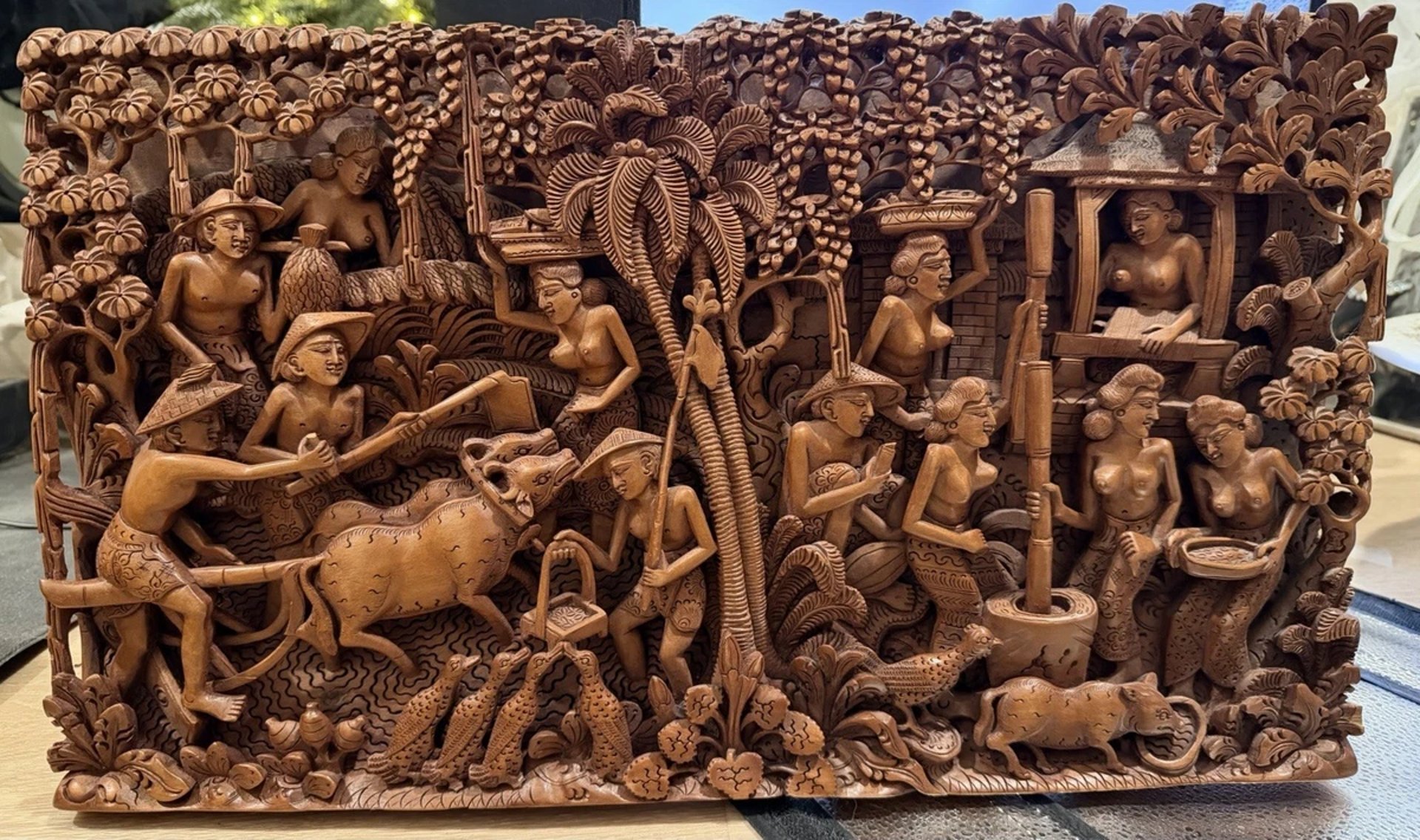
Wooden Art Craft
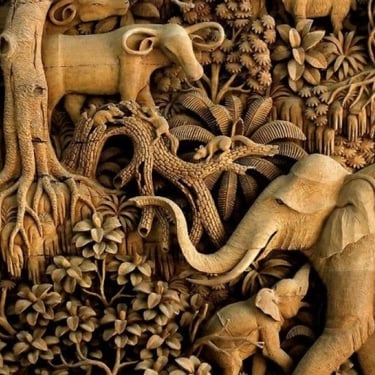
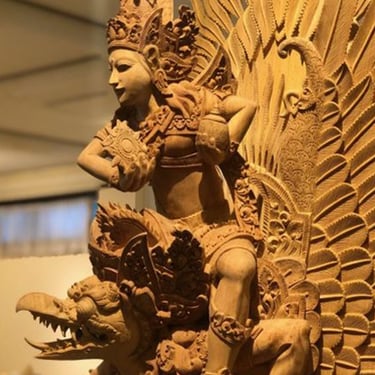
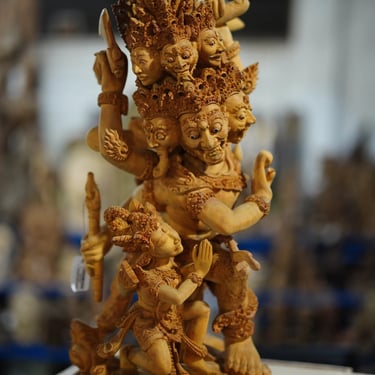
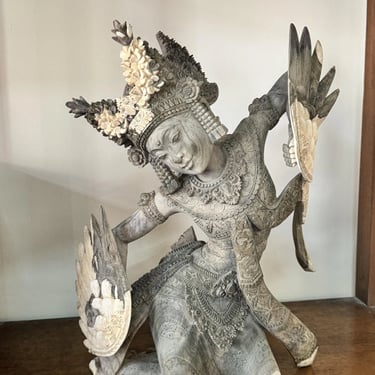
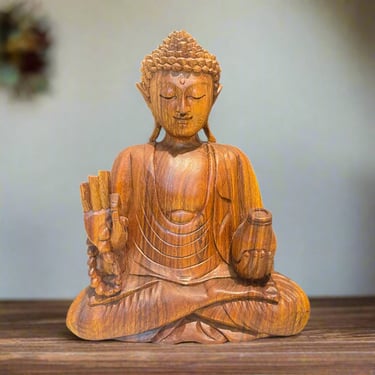
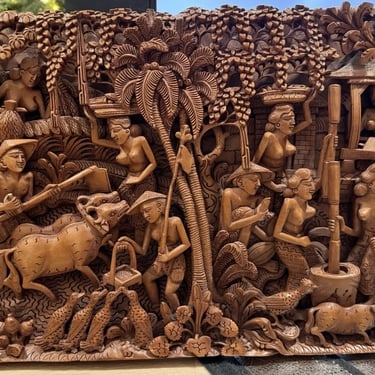
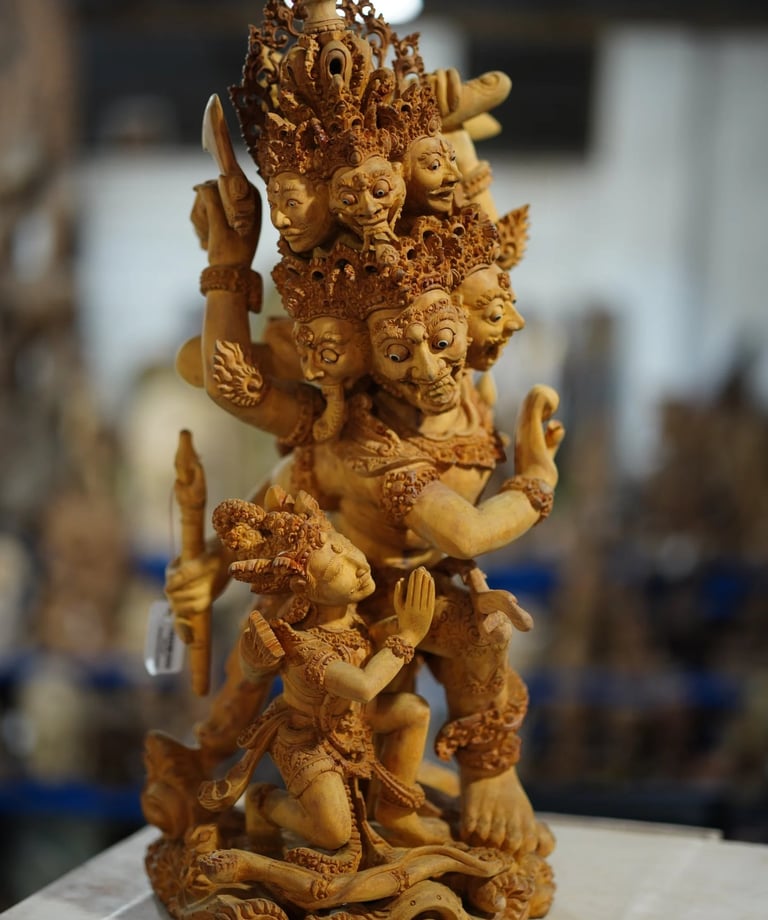
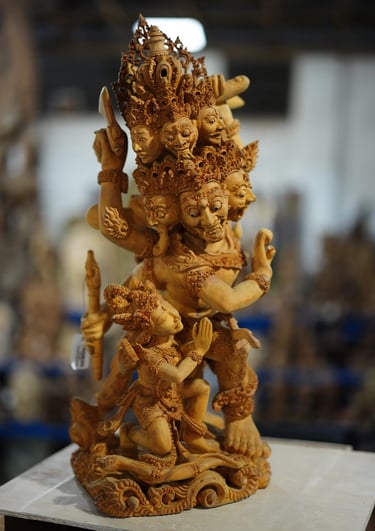
In Bali art is not just decoration, it’s also about devotion. Every intricate carving that adorns a temple gate or a family shrine tells a story of faith, mythology, and identity. Balinese wood carving is one of the island’s most revered artistic traditions, a living expression of the Balinese soul passed down through generations. As we explore this sacred craft, we invite you to step into the world of master carvers whose hands transform wood into spirit, and tradition into timeless art.
Origins of Balinese Wood Carving
The art of wood carving in Bali dates back to the 13th century during the Majapahit Empire. Initially, woodcarving was primarily a spiritual practice used to decorate temples, palaces, and sacred objects. Every chisel mark held deep meaning, reflecting the Balinese philosophy of Rwa Bhineda, the balance between good and evil.
Over centuries, this craft evolved from purely religious expression into an art form admired around the world. The arrival of tourism in the 20th century gave local artisans the chance to expand their motifs beyond deities and spirits, embracing modern interpretations while preserving traditional techniques.
Even today, many carvers still begin their work by offering prayers and blessings, believing that each piece carries a divine essence within the wood.
Symbolism in Balinese Art
Balinese wood carvings are rich with symbolism and spiritual depth. Every motif, curve, and pattern serves a purpose:
Barong and Rangda: Represent the eternal struggle between good and evil.
Garuda: Symbol of courage and freedom, often carved for temple decorations.
Floral and Fauna Motifs: Symbolize fertility, harmony, and connection with nature.
Mythological Scenes: Depict stories from the Ramayana and Mahabharata, ancient Hindu epics that continue to influence Balinese life.
Each carving embodies a message—whether to protect a home, honor ancestors, or express gratitude to the gods. When you look closely, you’re not just seeing art, you’re witnessing a story carved in silence and devotion.
Batik Bali
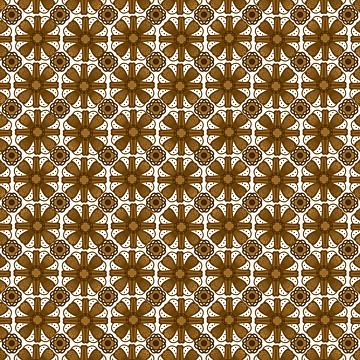

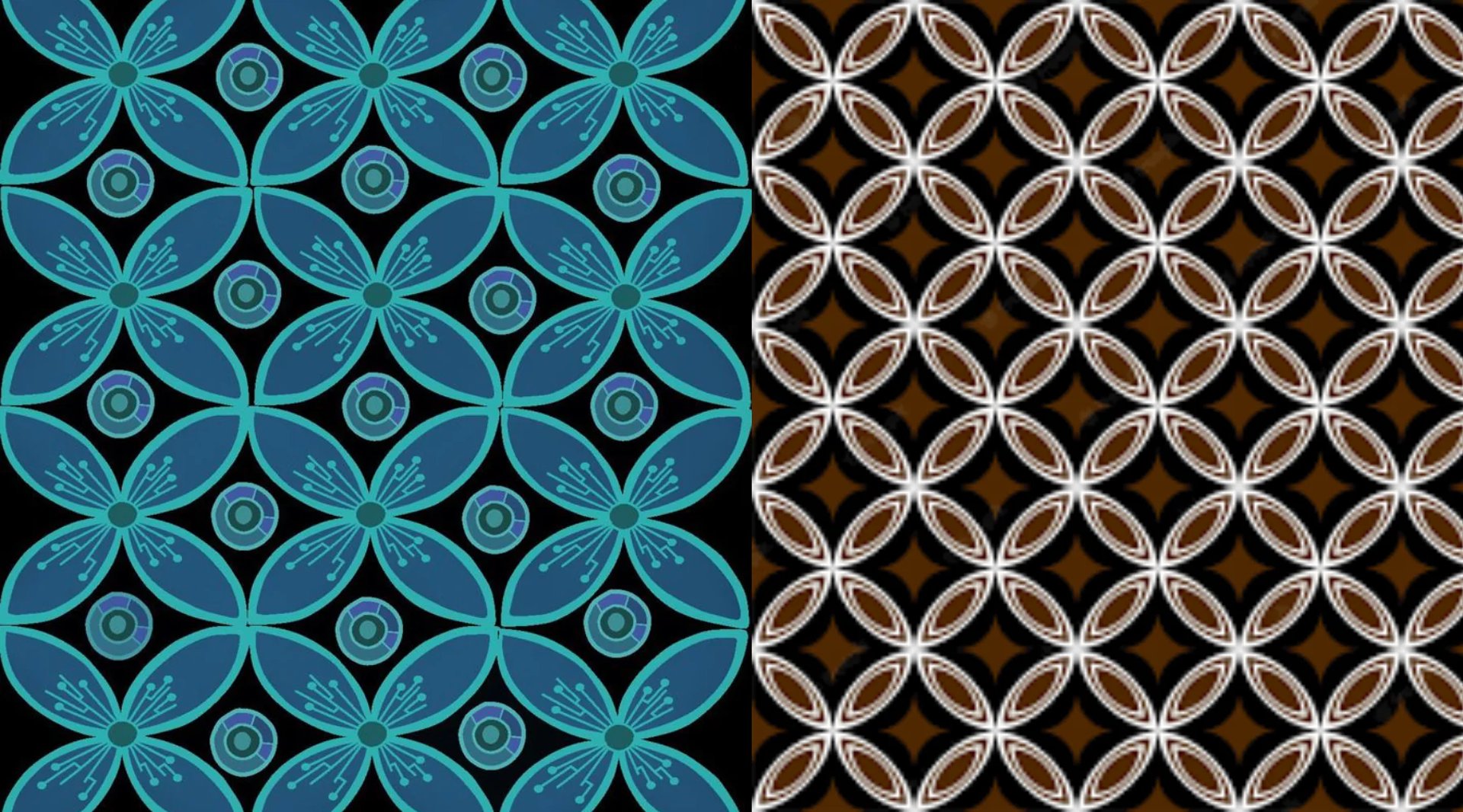
Discover the vibrant and intricate world of Balinese Batik, a traditional textile art that beautifully intertwines local culture, history, and craftsmanship.
Not just a craft; it’s a divine orchestration of art, symbolizing the harmony between the meticulous designs of human imagination and the unpredictable splashes of color by nature.
Batik is more than just fabric; it’s a beautiful form of art that has been cherished across Indonesia, with Bali offering its unique twists and interpretations. This guide goes into the world of Balinese Batik, from its historical roots to the techniques that make it a cultural treasure, providing insights into how you can experience Batik making firsthand during your visit to Bali.
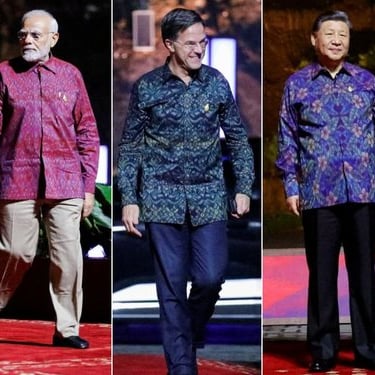
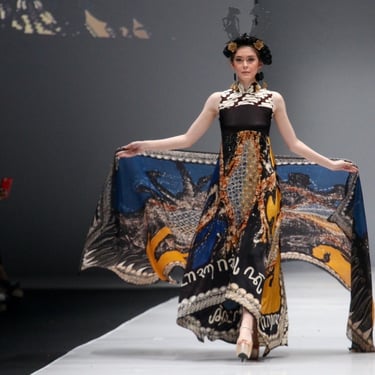


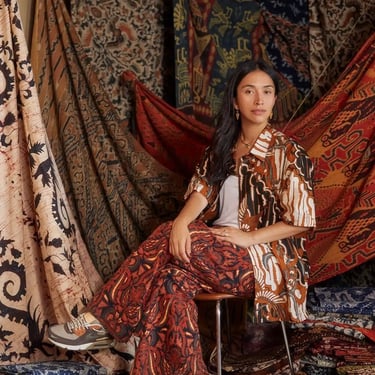
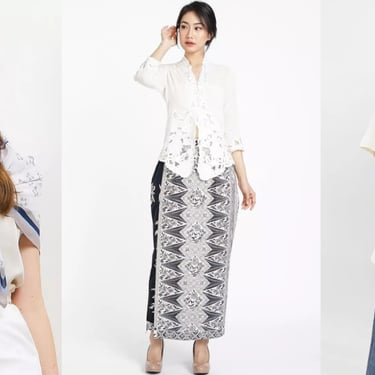
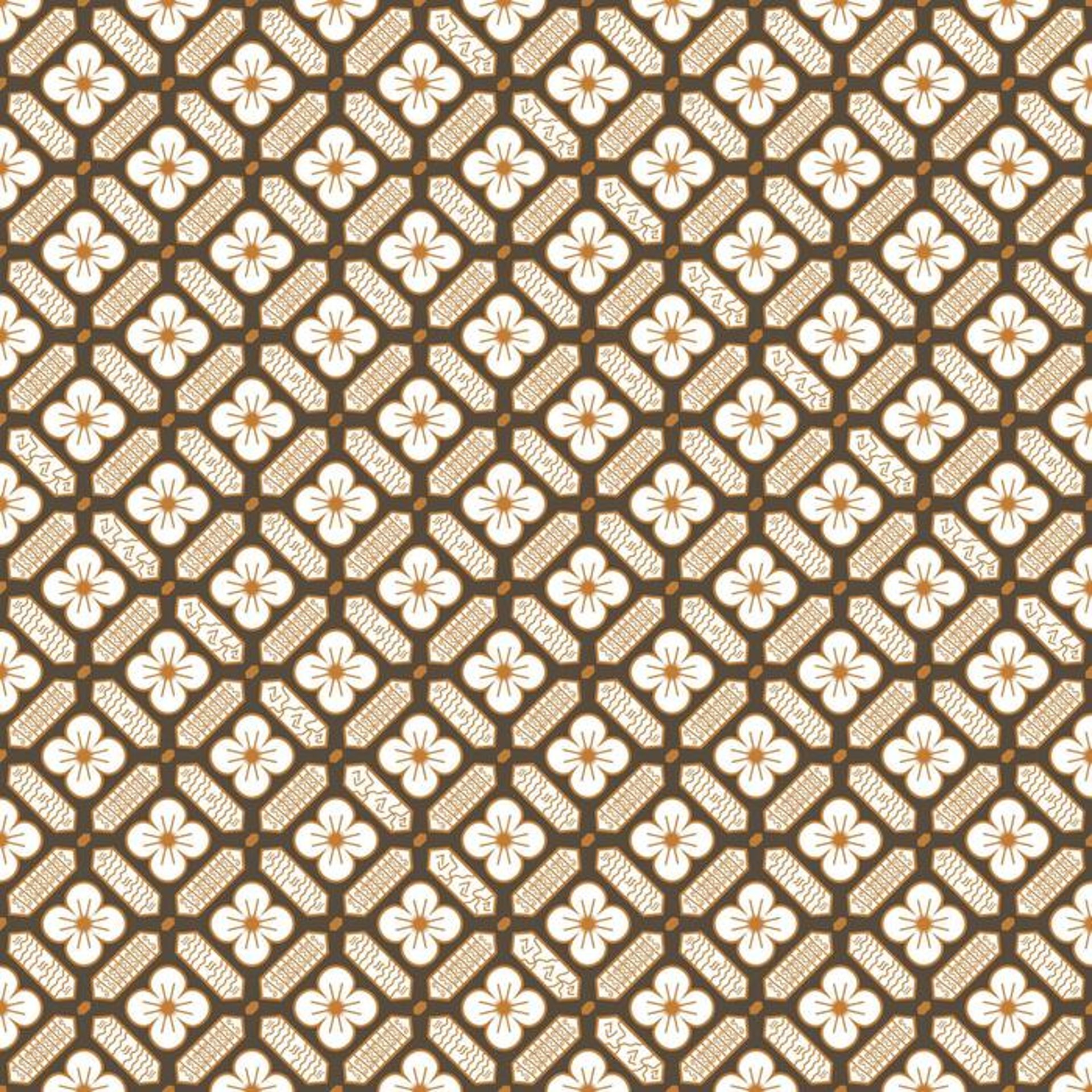
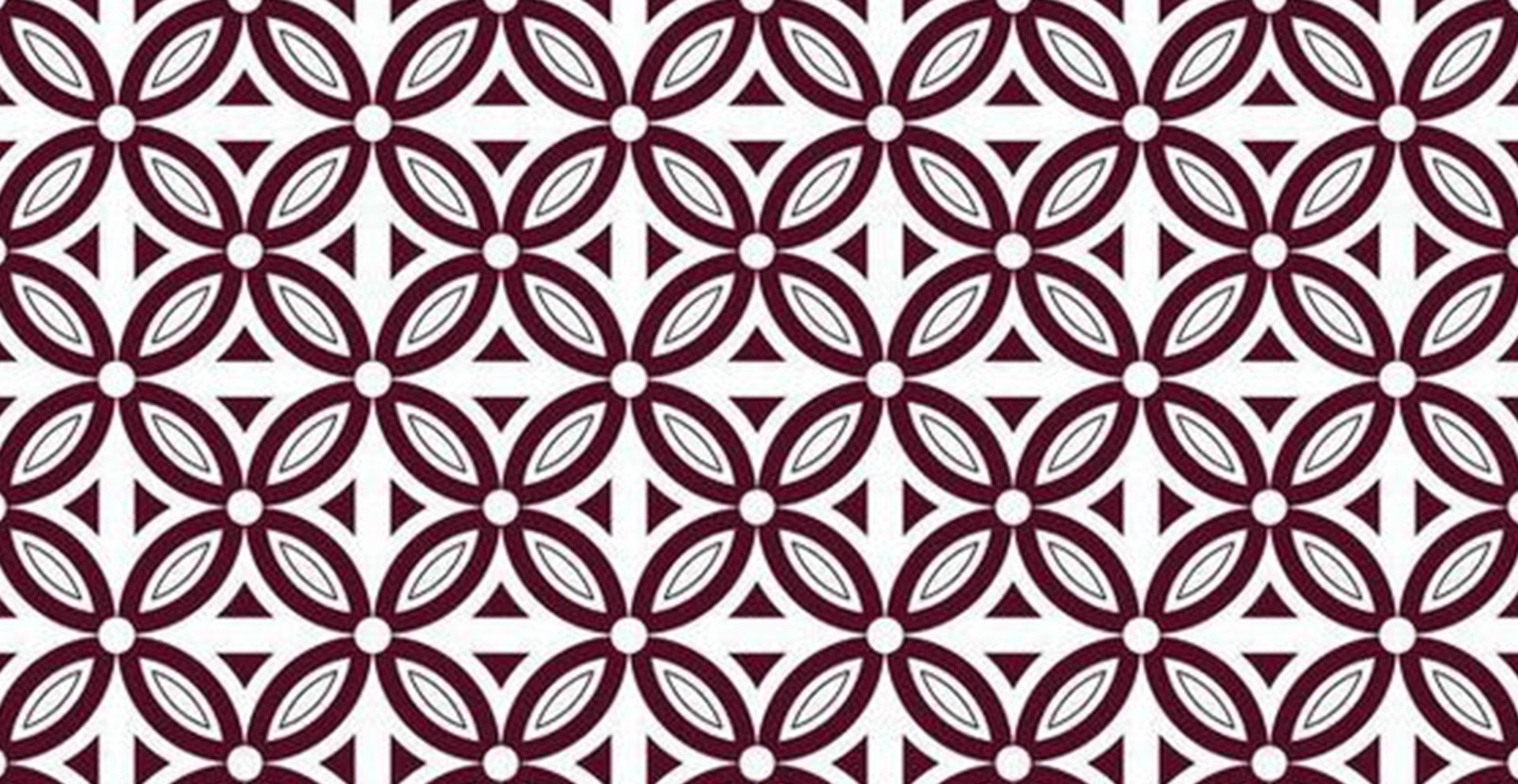
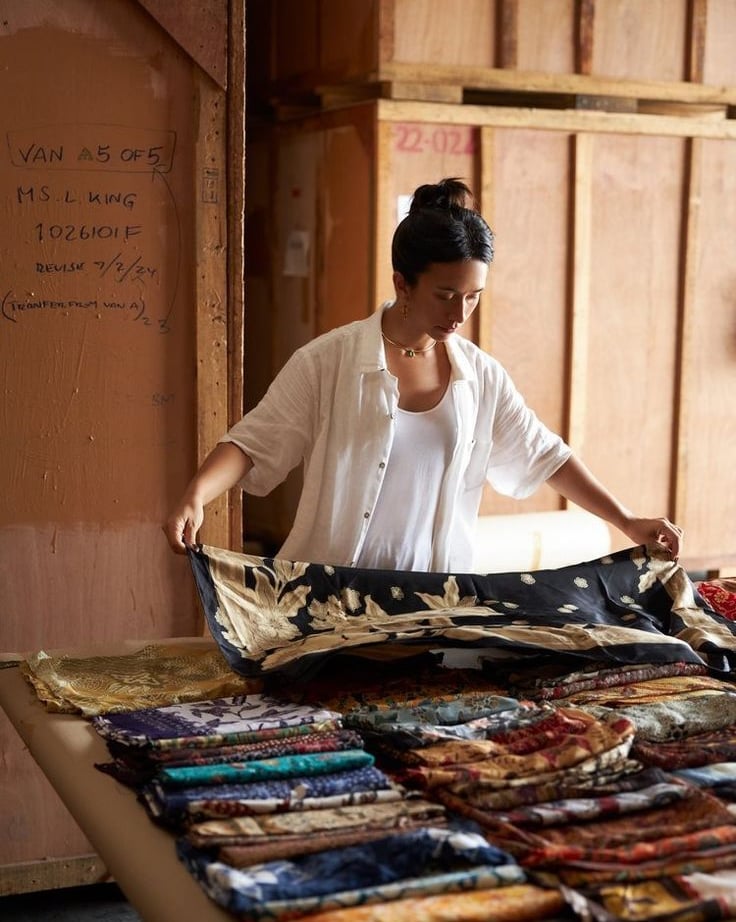
Batik is a technique of wax-resist dyeing applied to whole cloth. This traditional method involves drawing designs on fabric using a spouted tool called a canting, or by printing the resist with a copper stamp called a cap. The applied wax resists dyes and allows the artisan to color selectively by soaking the cloth in one color, removing the wax with boiling water, and repeating if multiple colors are desired.